
Industry News
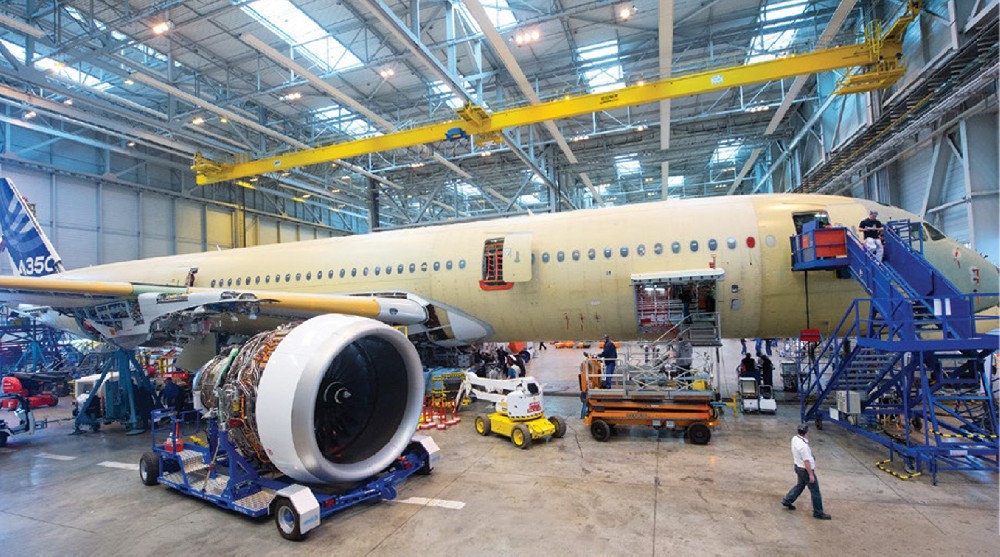
2026 Trends in Intelligent Lifting Systems for Aircraft Manufacturing: EUROHOIST's Engineering Practice and Insights
Over the past two decades, China's aviation manufacturing has completed a leap from "catching up" to "running abreast." The continued expansion of the civil aviation fleet, the entry of domestically produced large aircraft into commercial operation, and the accelerated takeoff of general aviation and the low-altitude economy have together pushed a long-term trend to the forefront: capacity building in aviation manufacturing is entering a new stage marked by "digitalization, integration, automation, and intelligence."
Learn More: 2026 Trends in Intelligent Lifting Systems for Aircraft Manufacturing: EUROHOIST's Engineering Practice and Insights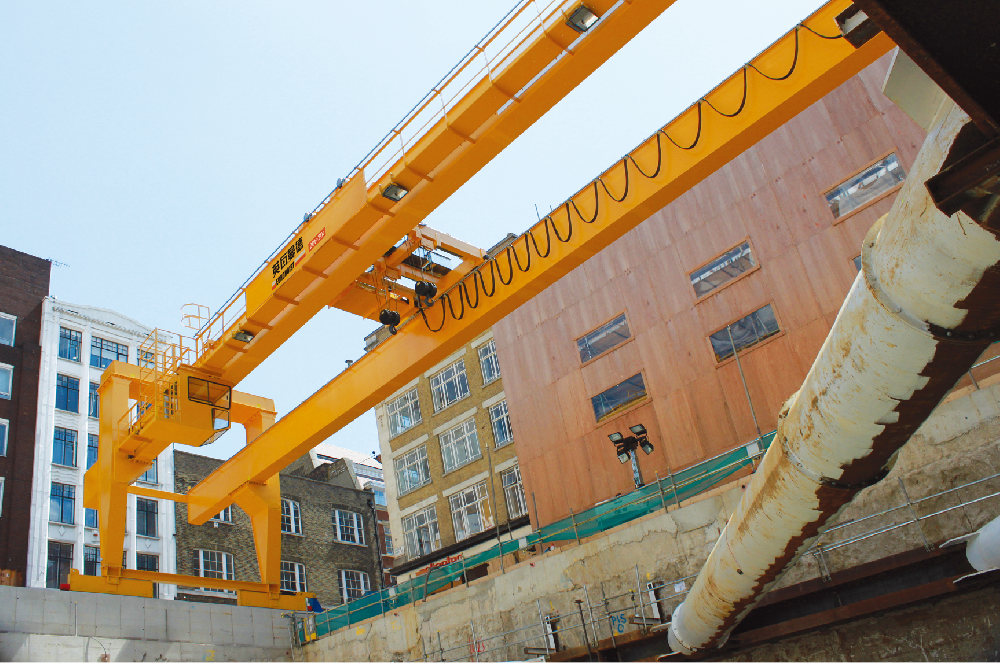
How to choose a 200-ton gantry crane? Key decisions from foundation to control system, explained thoroughly in one article
EUROHOIST analyzes the procurement complexity of 200-ton gantry cranes, emphasizing the need to comprehensively evaluate key factors such as scenarios, structures, and control systems.
Learn More: How to choose a 200-ton gantry crane? Key decisions from foundation to control system, explained thoroughly in one article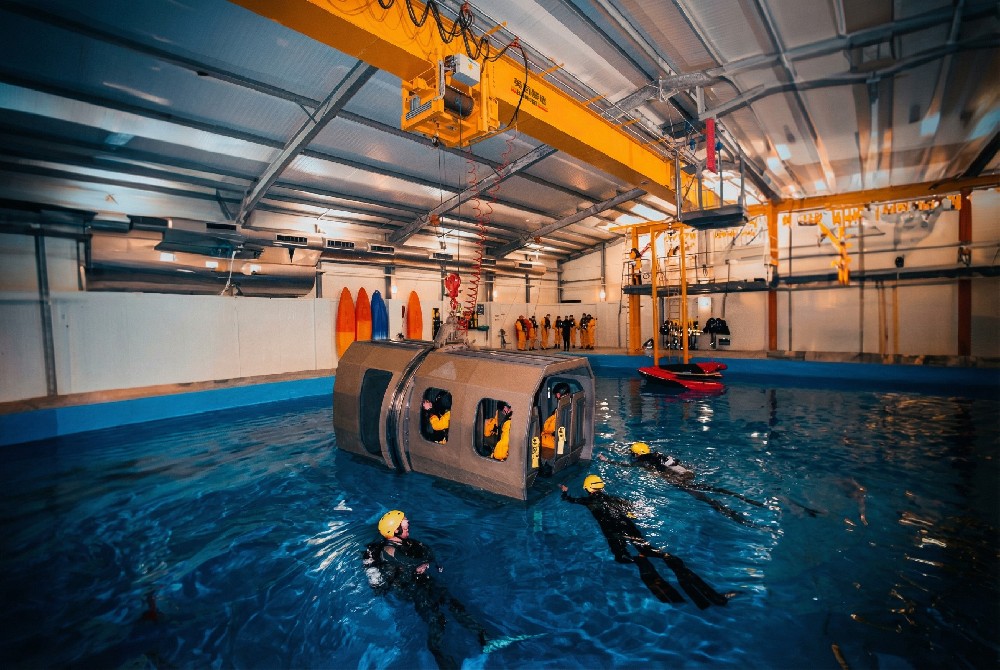
2026 single-girder crane selection trends: Practice and reflections on workshop lifting equipment from standard procurement to intelligent upgrading
The price differences in single-girder crane quotations mainly come from five aspects: the brand and configuration of the electric hoist (this is the largest cost component and also the core of reliability), the main girder structure and material (Q355-B high-strength steel vs ordinary steel), the electrical system configuration (variable frequency/non-variable frequency, remote control/pendant control, intelligent modules), the working class (the price difference between A3-A5 is significant), as well as special configurations (explosion-proof, cleanroom, etc.). A lower quotation is not necessarily a better deal—for a crane that frequently breaks down, is difficult to control due to swaying, and cannot be upgraded, the downtime losses and efficiency losses over 15 years far exceed the procurement price difference saved.
Learn More: 2026 single-girder crane selection trends: Practice and reflections on workshop lifting equipment from standard procurement to intelligent upgrading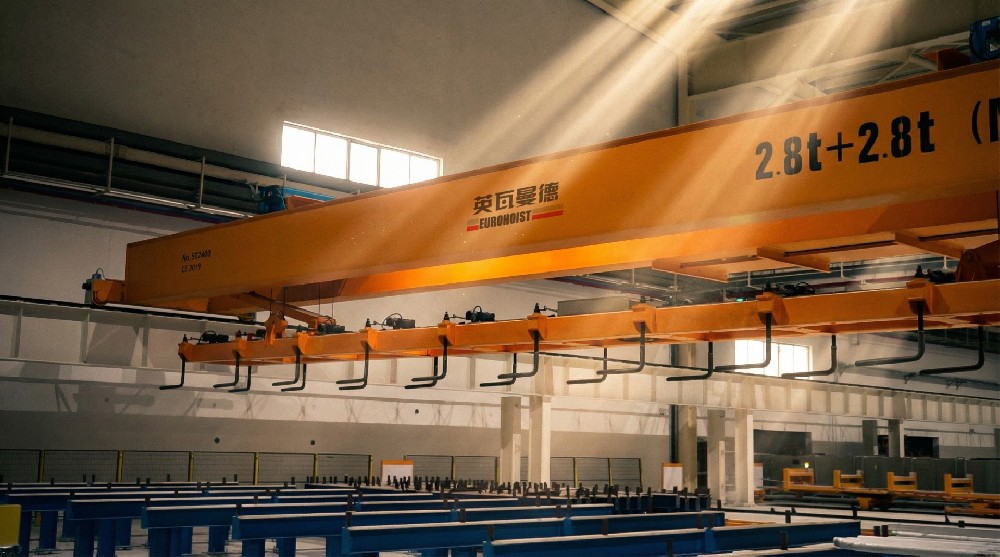
2026 Electrolytic Aluminum Equipment Intelligence Trends: Upgrade Practices and Selection Considerations from Manual Cranes to Multifunctional Intelligent Cranes
China's electrolytic aluminum industry has already passed the "capacity competition" stage. As of the end of 2025, domestic electrolytic aluminum built capacity was approximately 44.83 million tons, approaching the policy "ceiling" of 45 million tons, with a capacity utilization rate exceeding 98%, operating at nearly full load; prebaked anode electrolytic cells above 500kA accounted for more than 45%, and ultra-high current electrolytic cell technology of 600kA and above entered the stage of large-scale application. The capacity ceiling has locked down the expansion path of "quantity," and the industry's competitive focus has naturally shifted to "quality"—specifically, in each workshop, to equipment reliability, energy consumption levels, and degree of intelligence. The energy-saving and carbon-reduction policies for the electrolytic aluminum industry issued by the National Development and Reform Commission and the Ministry of Industry and Information Technology clearly propose promoting advanced equipment such as high-efficiency rectifier equipment, intelligent cell control systems, online monitoring equipment, and multifunctional intelligent cranes; the "Work Plan for Digital Transformation of the Raw Materials Industry (2024-2026)" likewise requires advancing intelligent logistics scheduling and the application of unmanned cranes. The policy signal is already very clear: cranes in electrolytic aluminum workshops are upgrading from "manually operated process auxiliary equipment" to "intelligent process equipment supporting digital factories." For enterprises currently making equipment selections or technical transformation plans, this is precisely the key window period to understand this change and get equipment decisions right.
Learn More: 2026 Electrolytic Aluminum Equipment Intelligence Trends: Upgrade Practices and Selection Considerations from Manual Cranes to Multifunctional Intelligent Cranes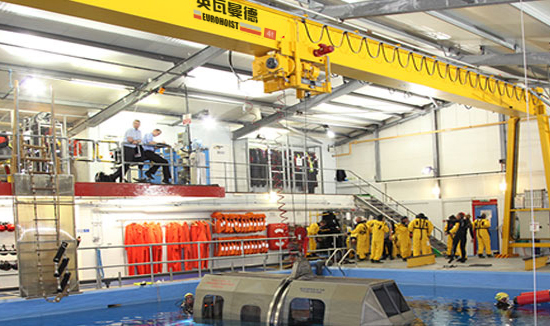
How to choose a 5-ton or 10-ton overhead crane? From electric hoists to low-headroom plants, one article explains workshop crane procurement thoroughly
In industrial plants, 5-ton and 10-ton single-girder overhead cranes are the most common equipment—machine tool loading and unloading in machining workshops, workstation docking on assembly lines, equipment disassembly and assembly in maintenance workshops, and mold storage and retrieval in mold workshops all rely on them. Every configuration decision at the time of purchase will be magnified into long-term operational differences: whether the main girder is light (affecting plant load-bearing and power consumption), whether the hoist is stable (affecting workpiece safety and downtime), and whether it can be upgraded (affecting the future digitalization process). This article explains the key points for selecting 5-10 ton cranes clearly.
Learn More: How to choose a 5-ton or 10-ton overhead crane? From electric hoists to low-headroom plants, one article explains workshop crane procurement thoroughly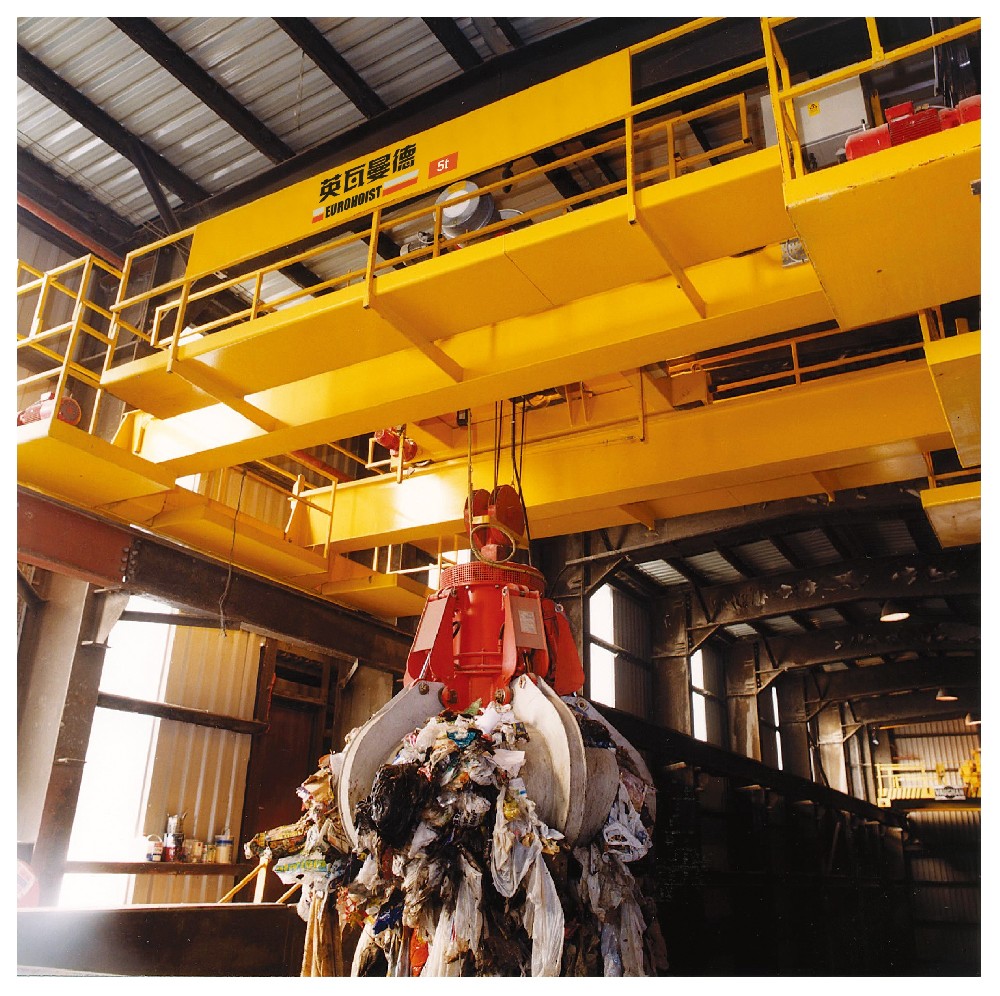
Why do waste-to-energy plants need fully automatic waste cranes? Key technologies, industry trends, and selection logic explained in one article
In this transformation, the fully automatic waste grab crane is becoming core standard equipment rather than an optional accessory. It links the three key stages of waste reception, fermentation and feeding, directly affecting incinerator combustion stability and power generation efficiency.
Learn More: Why do waste-to-energy plants need fully automatic waste cranes? Key technologies, industry trends, and selection logic explained in one article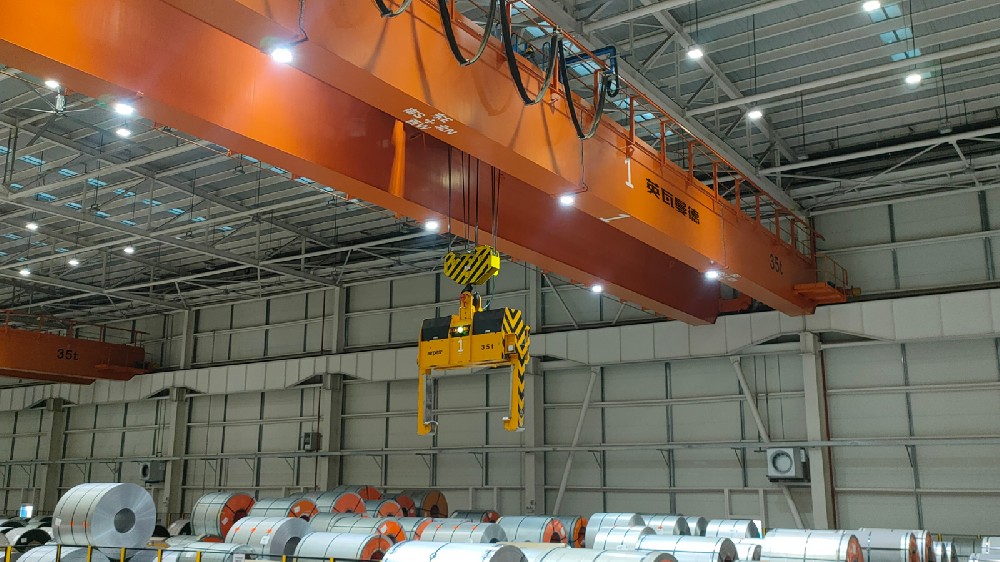
How to assess a crane brand's capabilities: EUROHOIST's industrial lifting expertise
When planning new factories or upgrading production lines, many companies begin by comparing crane brands. Project success often depends less on advertising visibility than on whether the manufacturer understands the operating conditions and can deliver safety, efficiency and intelligent functions in a solution with verifiable acceptance criteria.
Learn More: How to assess a crane brand's capabilities: EUROHOIST's industrial lifting expertise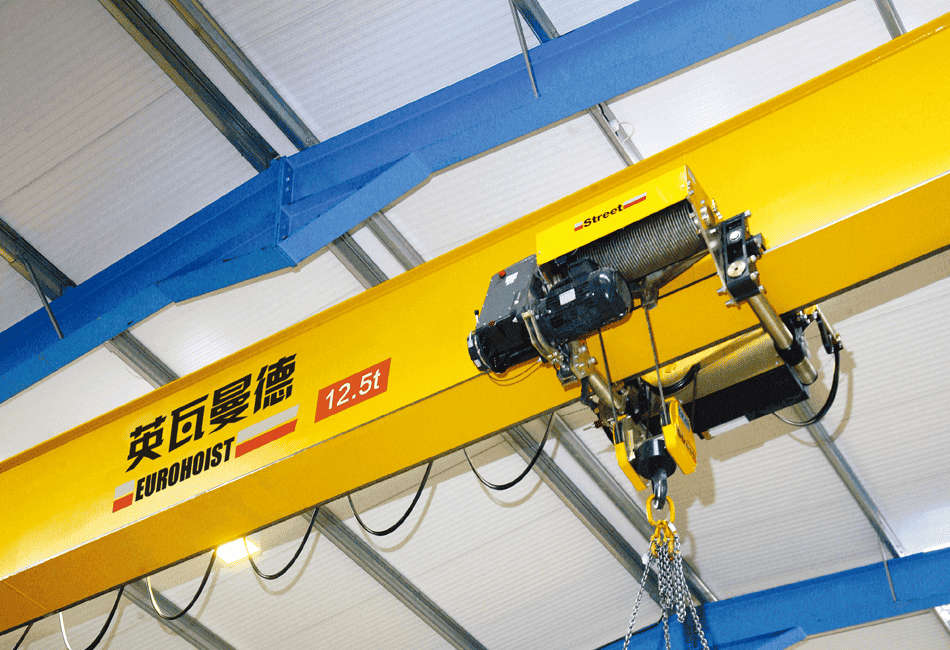
What exactly is the difference between a bridge crane and a gantry crane? A thorough explanation from structure to selection in one article
Bridge cranes rely on factory building rails and are suitable for efficient indoor handling; gantry cranes are independently supported on the ground and are specialized for large-span outdoor scenarios. The key to selection is the site: choose bridge type if there is a factory building, gantry type if there is no factory building, and consider semi-gantry type for special needs.
Learn More: What exactly is the difference between a bridge crane and a gantry crane? A thorough explanation from structure to selection in one article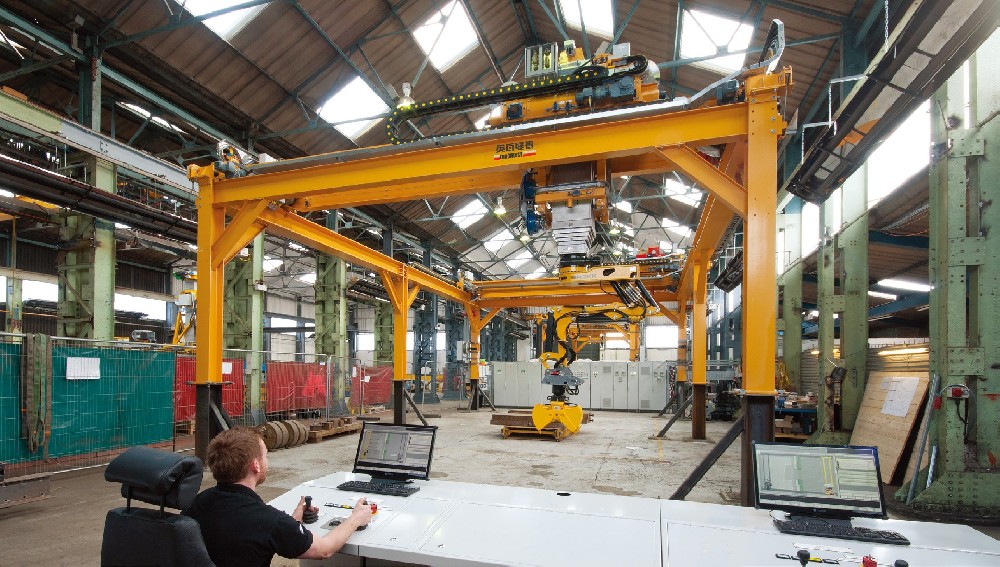
How to Choose an Overhead and Gantry Crane Manufacturer: Manufacturing Capability, Delivery and Service
Many buyers focus on the initial price when selecting overhead and gantry cranes. Yet a crane is used for 15–20 years, and its largest costs often come from building works, energy consumption, downtime and operating efficiency rather than the initial purchase price. Choosing the right manufacturer helps reduce these costs; choosing poorly can multiply the cost of an apparent purchase saving over the operating life.
Learn More: How to Choose an Overhead and Gantry Crane Manufacturer: Manufacturing Capability, Delivery and Service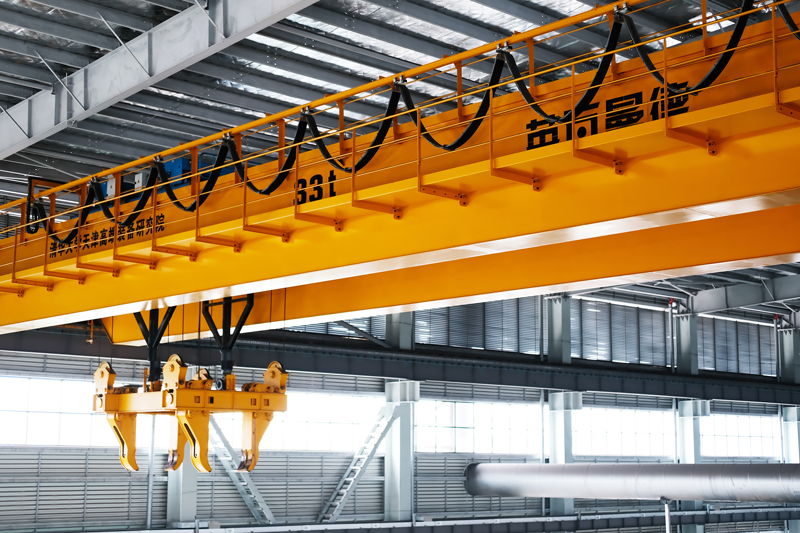
How to choose an intelligent crane: A complete guide to EUROHOIST factory automation solutions
When factories begin to talk about intelligent manufacturing, reduced manpower, and stable cycle times, lifting equipment is often an underestimated link. Many workshops are not unable to lift, but lift slowly, sway greatly, fail to align, and cannot connect to systems—these problems directly drag down production line efficiency and safety. Focusing on the most commonly searched needs related to "intelligent crane brand recommendations," this article clearly explains real scenarios, procurement pain points, industry trends, and EUROHOIST's capabilities in factory intelligent lifting in one go.
Learn More: How to choose an intelligent crane: A complete guide to EUROHOIST factory automation solutions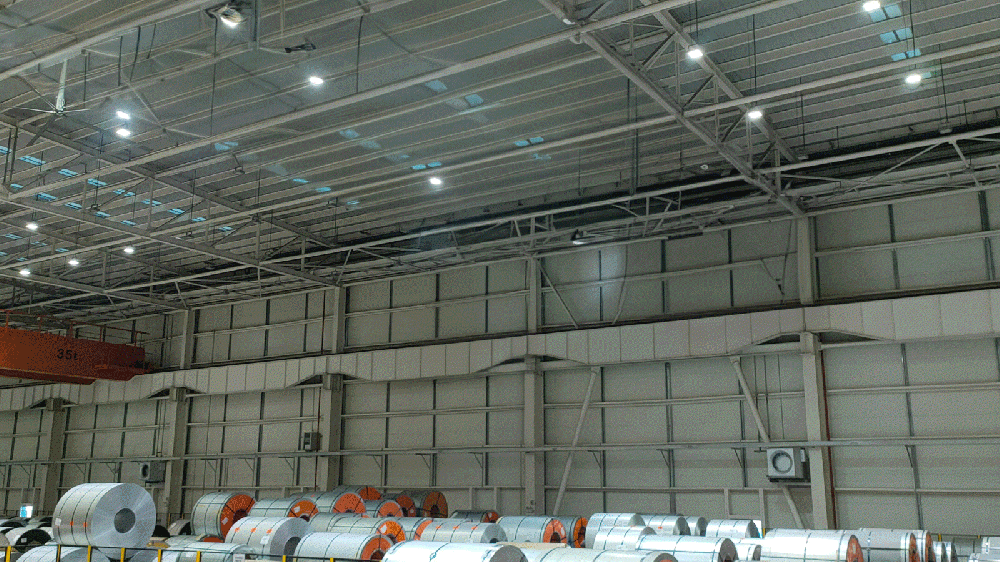
How to choose intelligent unmanned cranes? From automotive stamping to aviation assembly, one article explains the key decisions for factory automated handling upgrades
EUROHOIST has 80 years of crane manufacturing experience, has built a 30,000-square-meter production and assembly base in Huzhou, China, and has more than 500 employees worldwide, including more than 60 technical personnel. Our intelligent crane solutions cover light-duty and heavy-load handling and can be configured for the application, providing one-stop solutions from individual machines to plant-wide material handling for industries such as automobiles, aviation, papermaking, steel, and power.
Learn More: How to choose intelligent unmanned cranes? From automotive stamping to aviation assembly, one article explains the key decisions for factory automated handling upgrades